
(Envato Elements pic)
KULAI: Muhammad Adi would like to install solar panels on his home, but the cost remains beyond his budget. For now, the 30-year-old has taken a more affordable route by choosing energy-efficient appliances and using them carefully.
The approach appears to be working. His household electricity bill remains at about RM100 a month, even after he installed an air conditioner.
The contrast is especially noticeable at his mother’s eatery in Felda Bukit Batu, where he helps out. Its monthly power bill has risen from around RM400 to RM600.
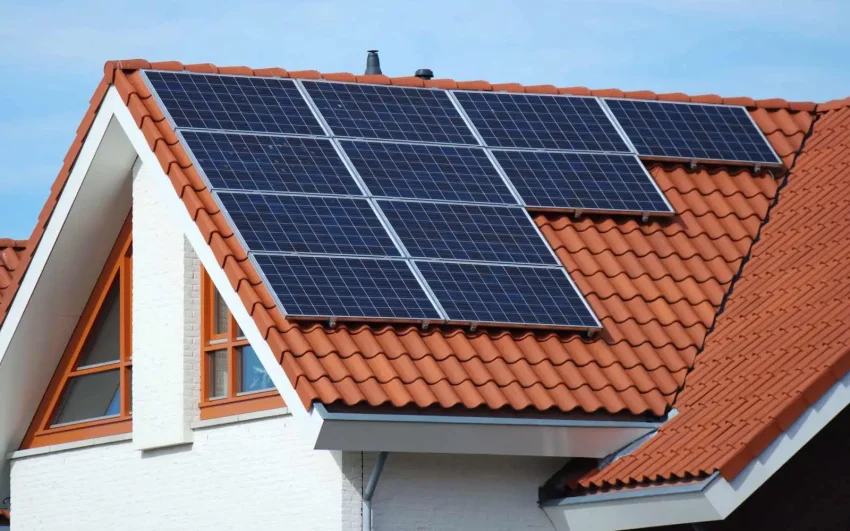
Solar energy is often promoted as a way for homeowners to reduce their reliance on the electricity grid, but the upfront investment can be considerable. For lower-income households with modest power consumption, improving energy efficiency may offer more immediate results.
“If your electricity bill is not high, you might not find rooftop solar particularly attractive,” said Sustainable Energy Development Authority chief operating officer Koh Keng Sen.
Solar may make more financial sense once a household reaches a higher level of consumption, he noted. Until then, reducing wasted power and replacing inefficient appliances can be a better place to start.
When a small bill still takes a big bite
Lower-income households may use less electricity overall, but their bills can still absorb a significant share of monthly earnings.
Adi’s uncle, Shamsul Ariffin, spends about 10% of his income on electricity for the home he shares with his wife and four children.
The lorry driver earns between RM2,000 and RM3,000 a month, leaving little room for expensive upgrades even if they promise savings over time.
This is one of the difficulties surrounding energy-efficient appliances. Models with higher efficiency ratings may cost more initially, while families under financial pressure are often drawn towards the cheapest available option.
That cheaper refrigerator or air conditioner may consume more electricity over its lifetime, resulting in higher bills month after month.
Independent energy analyst Ganesha Pillai said energy efficiency should be viewed as the starting point for most households.
Air conditioners and refrigerators run frequently and can account for a substantial portion of household electricity use. Choosing an efficient model may cost more upfront but reduce consumption over the years.
Solar panels are generally more practical for people who own landed homes, have suitable roof space, and use enough electricity to justify the investment.
A RM200 helping hand
Households replacing an old appliance may be eligible for support through NUR@Petra, a government programme offering RM200 rebates on selected four- and five-star energy-efficient products.
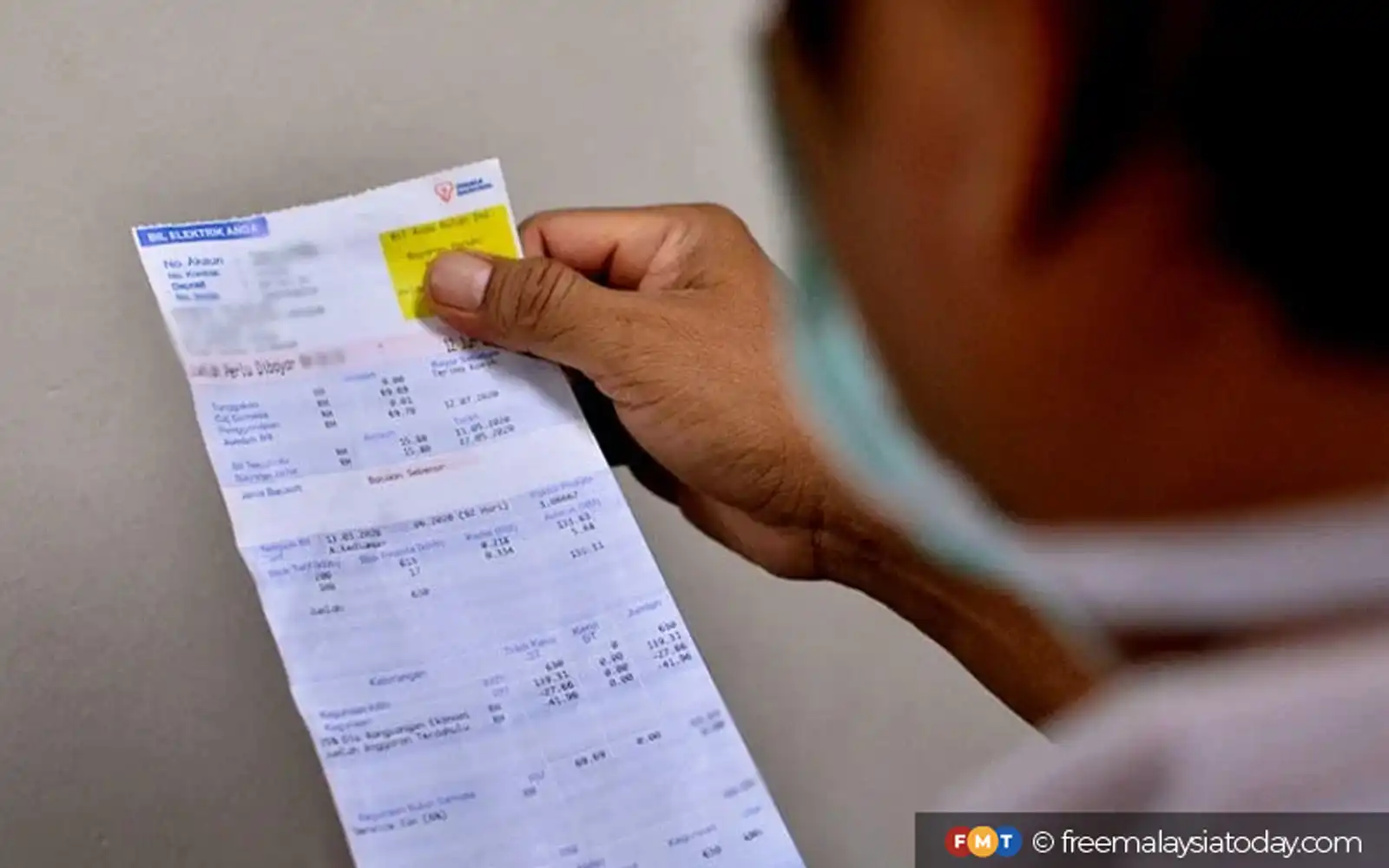
Consumers buying from participating stores generally need to present their identity card and electricity bill. The rebate is also available through approved online retail platforms.
Demand can be brisk, according to one appliance salesman, with monthly allocations sometimes taken up within days. Yet many who could benefit may not know the programme exists.
A housewife who asked to be known as Fatimah first encountered information about it on Facebook but was reluctant to investigate further.
“I was afraid it might be a scam,” she said. “I found it difficult to believe, so I did not have the courage to click on the link.”
Her reaction reflects a wider challenge. Government assistance may be available, but announcements compete with fraudulent advertisements, suspicious links and offers that seem too good to be true.
Fatimah said she would be more likely to trust the information if it came from a government officer, village leader or administrator of a familiar community page.
Climate and energy researcher Zayana Zaikariah agreed that trusted local figures can play a valuable role in sharing information about rebates and assistance programmes.
Reaching people through village heads and community networks may be more effective than relying entirely on social media advertisements, she said.
Good ‘energy hygiene’ at home
Buying efficient appliances is only part of the equation, as daily habits still determine how much electricity a household uses. Ganesha describes this as good “energy hygiene”: understanding where electricity is consumed, avoiding waste and making sensible choices before considering renewable energy.
The rebate covers qualifying refrigerators and air conditioners and is available on a first-come, first-served basis. As of July 27, some 42,072 rebate units had been claimed, leaving 117,928 from an allocation of 160,000.

That can include switching off lights and appliances when they are not needed, using fans before reaching for the air conditioner, keeping doors and windows closed while cooling a room, and maintaining appliances so they work efficiently.
Adi follows a similar approach with his inverter air conditioner. “I rarely use it,” he said. “Only when it is really hot do I switch it on.”
An efficient appliance will not save much if it is left running unnecessarily, just as careful habits can only do so much when an ageing appliance consumes excessive power.
For households able to afford solar panels, renewable energy may eventually offer further savings.
But for families such as Adi’s, keeping electricity use under control begins with the refrigerator, the air conditioner, and the switches already inside the home.