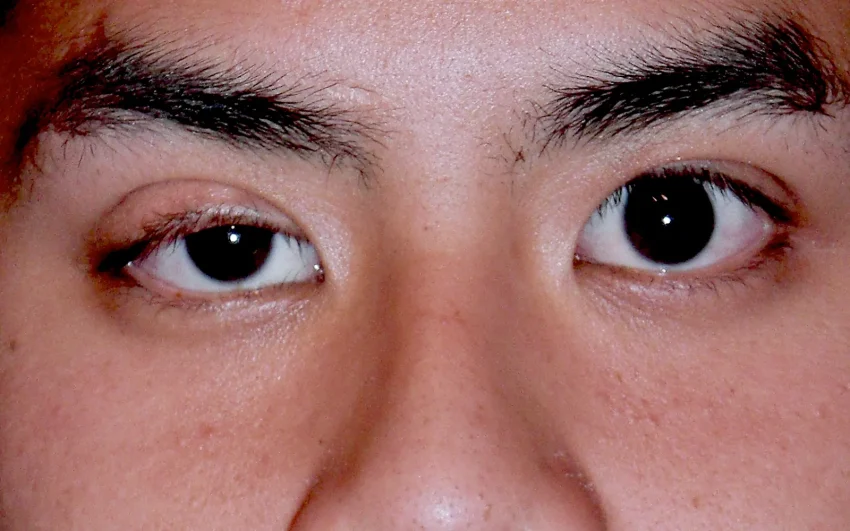

PETALING JAYA: As cosmetic eye procedures become more widely discussed, it is easy to assume that drooping or uneven eyelids are mainly an aesthetic concern.
But what appears to be tired-looking eyes, asymmetry or excess eyelid skin may, in some cases, be ptosis – a condition that can affect vision, comfort and everyday function.
According to consultant ophthalmologist and oculoplastic surgeon Dr Nazila Ahmad Azli, ptosis is relatively common in clinical practice, accounting for an estimated 8-12% of the eyelid cases she sees.
“In simple terms, ptosis means drooping of the upper eyelid,” she said.
As the upper eyelid relies on muscles and nerves to open and close properly, ptosis occurs when the eyelid-lifting muscle, or the nerve controlling it, does not function as it should.
The condition may affect one or both eyes and can be present from birth or develop later in life.
Congenital ptosis is usually caused by incomplete development of the muscle that lifts the eyelid. Acquired ptosis, meanwhile, may be linked to ageing, injury, previous eye surgery, prolonged contact lens wear, frequent eye rubbing or medical conditions affecting the nerves or muscles.
Nazila noted that not every heavy-looking eyelid is true ptosis. Naturally hooded eyes or excess eyelid skin, known as dermatochalasis, may create the appearance of drooping even though the eyelid margin remains in its normal position. This is sometimes referred to as pseudoptosis.
The distinction matters because each condition affects different structures and requires a different approach.
Not simply an ‘eye lift’
Ptosis correction is sometimes confused with cosmetic eyelid surgery because both may alter the appearance of the eyes.
However, blepharoplasty generally focuses on removing or repositioning excess skin, fat or tissue. Ptosis surgery aims to restore the height and lifting function of the upper eyelid by addressing the affected muscle or supporting structures.

“On the surface, both procedures improve appearance, but they correct different parts of the eyelid,” Nazila explained. “In some cases, the two surgeries may complement each other and need to be performed together for the best outcome.”
Proper assessment is essential before any procedure is planned. Surgery carried out without identifying the true cause of the drooping may result in recurrence or an unsatisfactory outcome.
The first priority is to determine whether the ptosis is age-related, structural or linked to a more serious underlying condition.
When ptosis needs urgent attention
Ptosis may develop gradually, particularly with age, or appear suddenly. Nazila cautions that a sudden drooping eyelid should never be dismissed as fatigue or a cosmetic issue.
“Sudden-onset ptosis requires urgent medical attention. It may be a sign of a serious problem such as a brain aneurysm, stroke or carotid artery dissection.”
Other possible causes include nerve damage and neuromuscular disorders.
Anyone who develops sudden eyelid drooping, particularly alongside double vision, weakness, severe headache, unequal pupils or other neurological symptoms, should seek immediate medical care.
Diagnosis begins with a detailed medical history and clinical examination. The specialist may measure the eyelid position, assess the strength of the lifting muscle and examine the pupils and eye movements.
Visual-field testing may also be performed to determine how much the drooping affects sight and daily activities.

Treatment depends on the cause and severity of the condition. Mild cases may only require monitoring, while more significant ptosis may need corrective surgery to improve eyelid height, restore visual function and create better symmetry.
Because ptosis can vary widely from person to person, treatment must be individualised.
Protecting eyelid health
To keep your eyes healthy, frequent eye rubbing should be avoided, as repeated pressure may place unnecessary strain on the lids.
Contact lens users should practise good hygiene and avoid wearing lenses longer than recommended. Meanwhile, regular screen breaks and early treatment for dry eyes may also help reduce irritation and the urge to rub the eyes.
Although dry eyes and long hours of screen use are not known to directly cause ptosis, they may contribute indirectly when discomfort leads to repeated rubbing.
Ultimately, a drooping eyelid should not automatically be dismissed as ageing, tiredness or a cosmetic concern, especially when it begins to interfere with vision or daily life.
“Do not take ptosis lightly – ignoring it can lead to visual impairment and chronic discomfort, while also masking serious medical conditions,” Nazila stressed.
When in doubt, a proper eye examination is the safest place to begin.